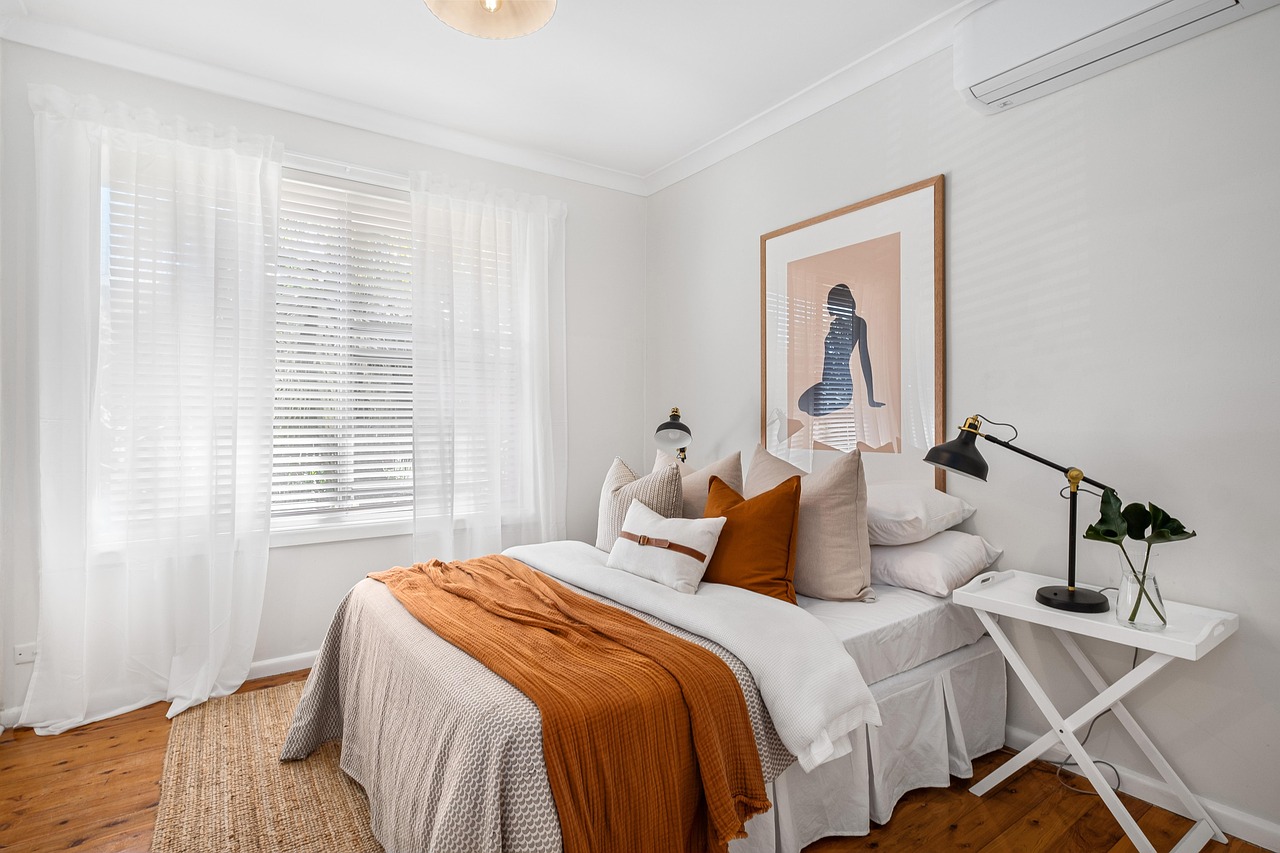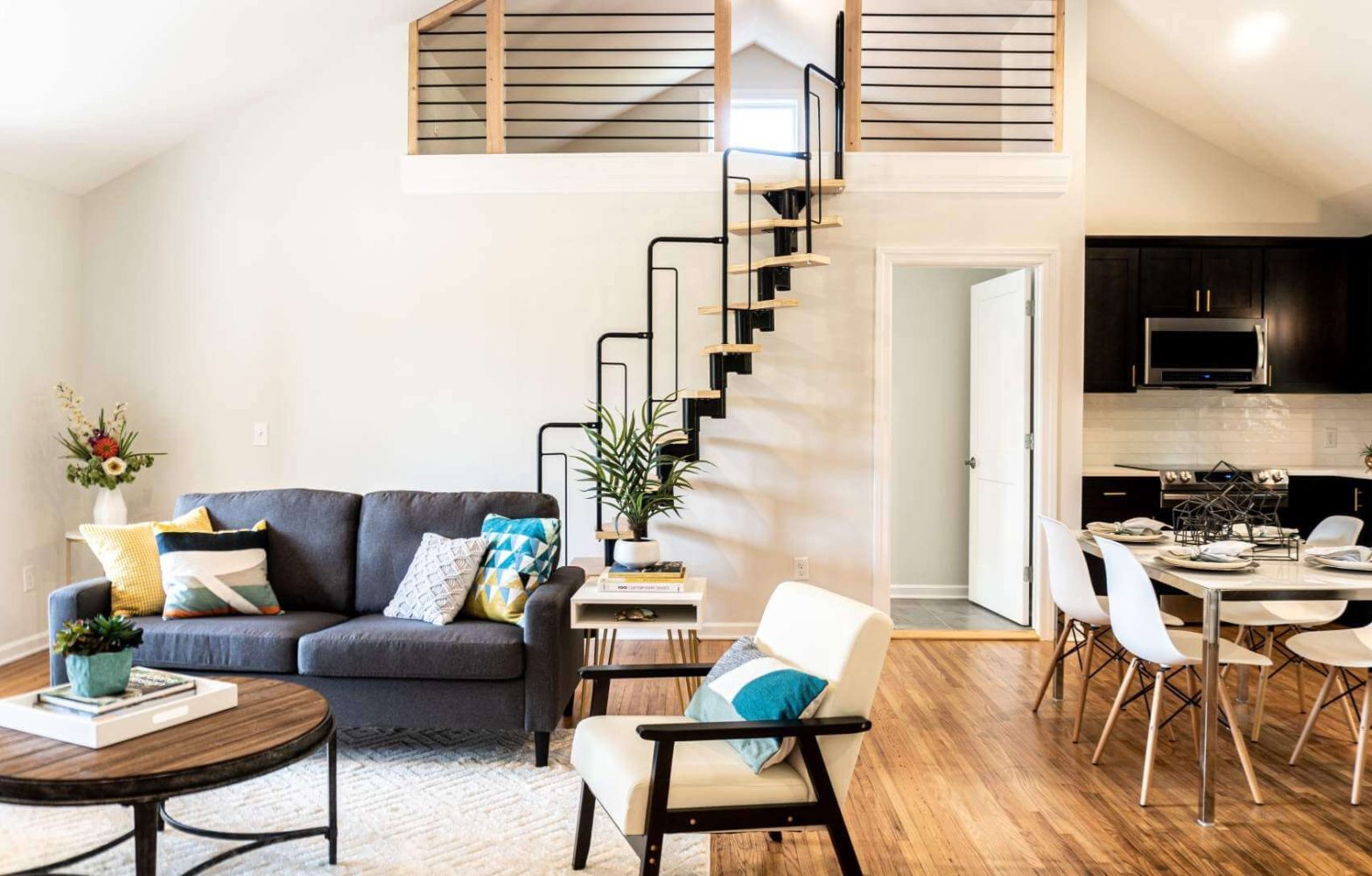
Window architraves are more than just functional trim; they are a subtle yet powerful way to enhance the architectural character of a space. In modern interiors, where minimalism meets sophistication, innovative approaches to window architrave can dramatically influence the overall aesthetic. Designers today are reimagining this often-overlooked feature to blend style, functionality, and spatial harmony.
One of the most striking trends in contemporary spaces is the use of clean, linear architraves. Unlike traditional ornate trims, these designs focus on sharp lines and simplicity, creating a refined frame that complements sleek interiors. Linear architraves work well in both residential and commercial settings, providing a polished look without overwhelming the surrounding décor. Materials like painted MDF, aluminum, or engineered wood are frequently chosen for their durability and smooth finishes, making them ideal for modern design schemes.
Another innovative approach is the integration of recessed or flush architraves. This style removes the traditional raised profile, allowing the window frame to sit seamlessly within the wall. Recessed architraves are particularly effective in minimalist spaces where uninterrupted wall surfaces are desired. They also offer an opportunity to play with subtle shadow lines, adding depth and dimension without relying on ornate detailing.
For those seeking a bolder statement, contrasting colors and textures have become a popular choice. Architraves painted in a dark hue against a light wall or in a high-gloss finish can act as a design feature, drawing attention to the window while enhancing the room’s color palette. Similarly, using natural wood with visible grain adds warmth and organic character to contemporary interiors, balancing modern materials such as concrete, glass, and metal.
Innovative designs are not limited to visual appeal alone; functionality has become an essential consideration. Modern architraves can incorporate features such as integrated LED lighting to highlight window areas or soft-close mechanisms that protect walls from accidental damage. These enhancements demonstrate how thoughtful design can merge aesthetics with practicality.
Custom shapes and profiles are also gaining popularity. Angled or stepped architraves can break away from conventional rectangular frames, introducing subtle geometric interest that resonates with modern design sensibilities. Layered trims with varying thicknesses can create visual texture, offering a bespoke touch without appearing cluttered.
Finally, sustainability is becoming a guiding principle in contemporary architrave design. Materials sourced responsibly, coupled with finishes that minimize chemical emissions, align with the growing demand for eco-conscious interiors. Designers are increasingly selecting durable, recyclable materials to ensure that innovation is paired with environmental responsibility.
In conclusion, window architraves in modern spaces are evolving from purely functional elements to integral design statements. Whether through clean lines, recessed profiles, contrasting finishes, or custom shapes, innovative architraves elevate interiors, reflecting contemporary tastes and thoughtful craftsmanship. By considering both aesthetics and functionality, designers can transform ordinary windows into striking focal points, enhancing the sophistication and character of any modern space.